
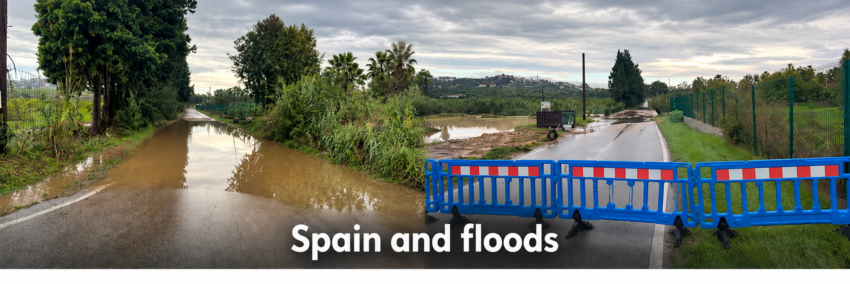
Spain may be famous for its sunshine, but when heavy rain arrives, conditions can change dramatically. Flash floods can develop in a matter of minutes, turning normally dry roads and riverbeds into dangerous torrents. Knowing what to do could save your life.
For anyone living in Spain, particularly in areas prone to heavy autumn and winter rainfall, understanding the risks and knowing where to find reliable information is essential.
We've put together this practical guide to help you prepare for severe weather, stay safe during flooding and understand what to do afterwards.
Why Does Spain Experience Flash Flooding?
Spain's Mediterranean climate is characterised by long, dry periods interrupted by episodes of intense rainfall, particularly during autumn.
One weather phenomenon frequently mentioned in Spanish news reports is a DANA (Depresión Aislada en Niveles Altos), an isolated area of low pressure high in the atmosphere.
A DANA can contribute to extremely heavy rainfall when atmospheric conditions are favourable, particularly when warm, moisture-laden Mediterranean air is involved. However, not every DANA causes flooding, and serious flooding can occur without one.
Several factors make parts of Spain particularly vulnerable:
- Intense rainfall: Large quantities of rain can fall in a very short period, overwhelming drainage systems and watercourses.
- Dry riverbeds: Known as ramblas, arroyos or barrancos, these may remain dry for months before rapidly filling with water.
- Mountainous terrain: Rainwater can rush down steep hillsides into valleys and populated areas.
- Urban development: Roads, buildings and paved surfaces prevent water from soaking naturally into the ground.
- Saturated ground: Following prolonged rainfall, the soil may be unable to absorb additional water, increasing surface runoff.
Importantly, heavy rain doesn't necessarily have to fall where you are for flooding to occur. Water travelling downstream from mountains or neighbouring areas can cause rivers and normally dry channels to rise unexpectedly.
Understanding Spain's Weather Warnings
Spain's national meteorological agency, AEMET (Agencia Estatal de Meteorología), issues weather warnings using a colour-coded system.
These warnings indicate the potential danger and impacts of severe weather.
- Yellow – Aviso Amarillo: Low danger, but adverse weather may affect vulnerable people, property and exposed locations. Stay informed.
- Orange – Aviso Naranja: Significant danger, with potentially serious impacts. Take precautions, prepare and follow official advice.
- Red – Aviso Rojo: Extreme danger, with potentially very serious or catastrophic impacts. Take immediate protective action and follow emergency instructions.
A weather warning does not necessarily mean flooding will occur at your property, but it should never be ignored.
You can check current warnings, forecasts and rainfall information on the official AEMET website.
Before Heavy Rain Arrives: Be Prepared
If severe rainfall is forecast for your area, taking a few precautions in advance can make a considerable difference.
Around Your Home
- Clear leaves and debris from accessible drains, gutters and terraces, provided it is safe to do so.
- Check that external doors, windows and shutters close properly.
- Move valuable items, important documents and electrical equipment away from ground level if your property is at risk.
- If you have a basement or underground garage, consider the risk of water entering.
- Know where your electricity, water and gas shut-off points are located.
- If you live in a flood-prone area, consider suitable flood barriers or sandbags.
Prepare an Emergency Kit
Keep essential items somewhere easily accessible:
- Drinking water and non-perishable food.
- A torch and spare batteries.
- A charged mobile phone and power bank.
- Essential medication and a basic first-aid kit.
- Copies of identification, insurance documents and emergency contacts.
- Suitable footwear, warm clothing and blankets.
- Supplies for pets, including food, medication, leads and carriers.
If you live alone, have mobility difficulties or rely on medical equipment, consider making arrangements with neighbours, friends or relatives who can help if necessary.
Don't Forget Your Vehicle
Avoid parking in underground garages, dry riverbeds, low-lying streets or other areas that may flood.
If authorities have issued warnings, move your vehicle to safer ground before flooding begins, provided it is safe to do so.
Never put yourself at risk to retrieve or protect a car.
Watch Out for Flood Warning Signs
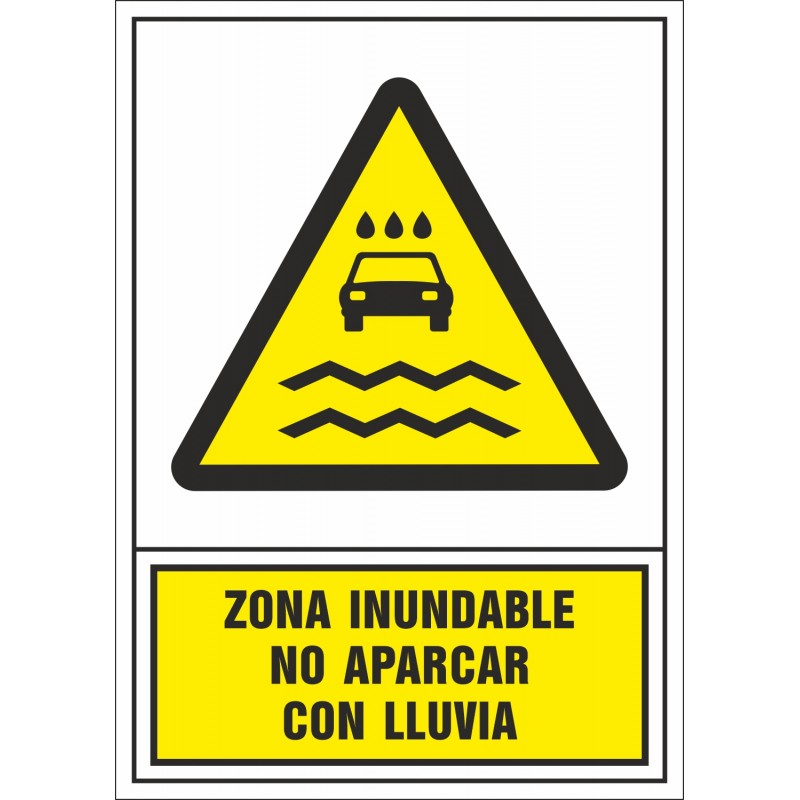
In many parts of Spain, particularly in areas prone to flash flooding, you'll see roadside signs warning “Zona Inundable – No Aparcar con Lluvia” (Flood Risk Area – Do Not Park When It Rains).
These signs are commonly found near dry riverbeds (arroyos and ramblas), low-lying roads and areas where water can accumulate rapidly during heavy rainfall.
Take these warnings seriously! A perfectly dry parking area can become a dangerous torrent during a sudden downpour, sometimes even when it's not raining heavily where you are.
If you see one of these signs, don't leave your vehicle there when rain is forecast or expected. And if heavy rain has already started, never put yourself at risk trying to retrieve your car.
Remember, these signs aren't simply suggestions about convenient parking. They're warnings about a potentially serious flood hazard.
What to Do When Flooding Begins
If heavy rainfall causes flooding in your area, your priority should always be personal safety.
If you're at home:
- Stay informed through official weather and emergency channels.
- Move away from basements, underground garages and ground-floor areas if water begins entering.
- Move to a safe upper floor or higher ground, following instructions from emergency services.
- If flooding threatens your property, switch off electricity and gas only if you can do so safely, without entering water.
- Keep away from electrical appliances, sockets and wiring in flooded areas.
- Be prepared to evacuate if instructed by the authorities.
Never enter a flooded basement or underground garage to rescue possessions.
If your home is becoming unsafe and you cannot evacuate safely, call 112 and explain your location and circumstances.
Do not attempt to wade through fast-moving floodwater.
Driving During Heavy Rain: A Particularly Serious Risk
One of the greatest dangers during flash flooding is attempting to drive through water.
Even relatively shallow moving water can cause a vehicle to lose traction, float or be swept away.
Spain's Dirección General de Tráfico (DGT) warns that water around 20 cm deep can make a vehicle difficult to control, while approximately 30 cm of flowing water may be sufficient to carry some vehicles away, depending on the conditions.
If You Encounter a Flooded Road
- Stop somewhere safe and turn around if possible.
- Never drive through floodwater, even if you think your vehicle can manage it.
- Never cross a flooded bridge, ford or dry riverbed.
- Do not assume that a familiar road is safe simply because you've driven along it hundreds of times.
- Avoid unnecessary journeys when severe weather warnings are in force.
Remember that floodwater may conceal damaged road surfaces, deep holes, debris or missing sections of road.
If Your Vehicle Becomes Trapped by Rising Water
Call 112 immediately and provide your location.
Follow emergency-service instructions. If you can escape safely to higher ground, do so. If you cannot, make yourself visible and await rescue instructions.
Escape through a window rather than opening a door into deep or fast-moving water where appropriate, but never enter a dangerous current unnecessarily.
Every situation is different, and there is no single safe escape method for all flooding incidents.
What You Should NEVER Do During Flooding
Some actions can turn an already dangerous situation into a life-threatening emergency.
Never:
- Attempt to walk or drive across a flooded road or watercourse.
- Enter underground garages or basements that are flooding.
- Cross a rambla or arroyo simply because it is normally dry.
- Ignore road closures, police instructions or evacuation orders.
- Attempt to rescue a vehicle or possessions from floodwater.
- Approach fallen electricity cables or damaged electrical equipment.
- Enter rivers or floodwater to rescue pets if doing so puts you at risk.
- Return to an evacuated property until authorities confirm it is safe.
Floodwater can move with extraordinary force, and its depth and speed are often difficult to judge.
If in doubt, stay out.
What About Pets?
Pets are part of the family, and they should be included in your emergency preparations.
Keep dogs and cats indoors during severe weather where possible, and make sure you have leads, carriers, food, medication and identification available.
If evacuation becomes necessary, take your pets with you whenever it is safe and permitted under the evacuation arrangements.
Never leave animals tied up in an area at risk of flooding.
If an animal becomes trapped in floodwater, contact emergency services rather than attempting a dangerous rescue yourself.
Emergency Contacts and Reliable Information
During severe weather, accurate information is essential. Social media can be useful for local updates, but rumours and outdated photographs can circulate rapidly.
Where possible, rely on official sources.
Emergency Services – 112
Spain's emergency telephone number is 112, available nationwide for emergencies involving police, firefighters, ambulance services and civil protection.
Call 112 if lives are at risk, someone is trapped, a property is flooding dangerously or urgent assistance is needed.
When calling, provide your location as accurately as possible, explain what has happened and follow the operator's instructions.
AEMET – Weather Forecasts and Warnings
Spain's official meteorological agency provides weather forecasts, rainfall information and severe weather warnings.
Protección Civil – Civil Protection
Provides official emergency guidance, warnings and information about major incidents.
DGT – Road Conditions
Check road closures, traffic incidents and driving conditions before travelling.
The DGT also operates the traffic information telephone number 011.
Your Local Ayuntamiento and Regional Emergency Services
Local authorities often publish information about road closures, evacuation arrangements, emergency accommodation and affected neighbourhoods.
Follow your Ayuntamiento's official website and verified social media accounts.
In Andalucía, the regional emergency service 112 Andalucía is another important source of local information.
Emergency Alerts on Your Mobile Phone
Spain operates a public warning system known as ES-Alert, which allows emergency authorities to send urgent alerts directly to mobile phones in affected areas.
These alerts may include instructions to remain indoors, avoid travelling or evacuate.
You do not need to subscribe to receive an ES-Alert on a compatible phone connected to a participating mobile network.
If you receive one, read it carefully and follow the instructions.
Do not assume that the absence of an alert means conditions are safe.
After the Flood: Returning Home Safely
Even after the rain stops and floodwater begins to recede, hazards may remain.
Before returning to an affected property, check that authorities have confirmed it is safe.
Be aware of:
- Structural damage to walls, floors and foundations.
- Damaged electrical wiring and appliances.
- Contaminated water, mud and sewage.
- Slippery surfaces, broken glass and other debris.
- Unstable roads, bridges and retaining walls.
Do not reconnect electricity or use affected electrical equipment until it has been checked by a qualified professional.
Wear suitable protective clothing when cleaning up and avoid direct contact with potentially contaminated floodwater.
If you suspect your drinking-water supply has been affected, follow local health-authority advice before using it for drinking or cooking.
Flood Damage and Insurance Claims in Spain
If your home, vehicle or belongings have been damaged by flooding, you may be able to make an insurance claim.
Spain has a specialist public insurance compensation organisation called the Consorcio de Compensación de Seguros (CCS).
The Consorcio can compensate qualifying losses caused by extraordinary events, including certain types of flooding, where the relevant insurance requirements are met.
It is important to understand that not every type of water damage is automatically covered by the Consorcio.
Eligibility depends on the cause of the damage, the type of insurance policy held and the applicable conditions.
What Should You Do After Suffering Flood Damage?
- Contact your insurance company. Explain what has happened and ask how the claim should be handled.
- Document the damage. Take photographs and videos of affected rooms, vehicles and possessions, but only when it is safe.
- Keep receipts. Retain invoices for emergency repairs, cleaning, temporary accommodation and other necessary expenditure.
- Avoid disposing of damaged items immediately. Where possible, retain evidence until the insurer or loss adjuster has advised you.
- Prevent further damage where safe. Take reasonable protective measures, but do not undertake dangerous repairs.
- Submit your claim promptly. The Consorcio recommends reporting claims as soon as possible, ideally within seven days, although it states that later claims can still be accepted.
Contacting the Consorcio
Consorcio de Compensación de Seguros
Website: www.consorseguros.es
Claims telephone: 900 222 665
Telephone assistance is available in English and French, as well as Spanish.
You will normally need your insurance policy details, identification, information about the damage and bank account details.
If you are unsure whether your claim should be handled by your insurer or the Consorcio, contact your insurer for guidance.
A Final Word: Don't Underestimate the Rain
One of the biggest adjustments for people moving to Spain is learning that Mediterranean weather can be surprisingly extreme.
A beautiful sunny morning can give way to torrential rainfall, while a road or riverbed that appears perfectly safe may become dangerous within minutes.
The most important things to remember are simple:
Stay informed. Prepare in advance. Avoid unnecessary travel. Never cross floodwater. Follow official instructions.
And above all, remember that possessions and vehicles can be replaced. People cannot.
At Upsticks, we want everyone enjoying their new life in Spain to stay safe, whatever the weather brings.
Stay safe, stay informed, and look out for your neighbours.